


structured and artisan-led workshops offer students, designers, and art enthusiasts the opportunity to learn this endangered craft directly from hereditary Chitara master artists.
What You Learn in a Mata ni Pachedi Course
-
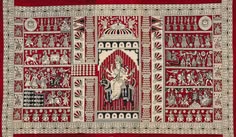
Cultural History and Sacred Iconography: Courses begin by exploring the sociological roots of the Vaghri community, the ritual role of Bhuva priests and Jagoria storytellers, and the symbolic layout of a Pachedi shrine—where the central Mother Goddess (such as Durga, Bahuchara, or Meldi Mata) is framed by architectural arches, celestial bodies, flora, and narrative vignettes.
-
Fabric Preparation (Harda Treatment): Students learn how raw hand-spun cotton cloth is washed and treated in a bath of harda (myrobalan) powder. The tannin in the myrobalan reacts with iron-based pigments later in the process to lock in deep, permanent black outlines.
-
Tools: Bamboo Kalams and Wooden Blocks: Instruction for learn mata ni pachedi covers both freehand painting using a sharpened bamboo pen (kalam) wrapped in cotton thread to regulate dye flow, and traditional hand-block printing (thappa) used for repetitive ornamental borders and secondary figures.
-
Natural Dye Chemistry and Mordanting: A core pillar of authentic training is preparing organic colors and mordants:
-
Black (Kala): Fermenting scrap iron and jaggery in water for weeks to create a rich black iron-acetate solution.
-
Red (Lal): Thickening alum (phitkari) with tamarind-seed paste (kachukaatta) to paint red zones, which only turn vibrant crimson after boiling the cloth in a bath of alizarin and dhawda flowers.
-
-
River Washing and Finishing: In traditional studio courses, students experience the multi-stage washing, boiling, and sun-drying cycles that remove excess mordants and reveal the signature high-contrast palette of deep black, earthy red, and off-white cotton.
Types of Mata ni Pachedi Courses and Workshops
| Format | Typical Duration | Focus & Structure | Ideal For |
| Introductory / Tourist Workshops | 2 to 4 hours | Hands-on motif sketching, basic kalam brushwork, and completing a small take-home fabric panel | Travelers, beginners, and casual art enthusiasts |
| Multi-Day Studio Intensives | 3 to 7 days | Full end-to-end process including harda fabric prep, natural dye boiling, block printing, and freehand deity composition | Textile students, fashion designers, and serious craft practitioners |
| Live Online Courses | 5 to 10 hours (modular) | Step-by-step guided drawing of borders, Goddess figures, and coloring techniques adapted for paper or fabric | Remote learners unable to travel to Gujarat |
| University & Craft Residencies | 1 to 4 weeks | Deep ethnographic documentation, experimental contemporary applications, and collaborative projects with master families | Fine arts researchers, textile designers, and heritage scholars |
Where to Study Mata ni Pachedi
-
Master Artisan Studios in Ahmedabad: Renowned practitioners—such as National Award and Padma Shri recipient Bhanubhai Chitara, alongside master artists Jagdish, Sanjay, Suresh, and Sohan Chitara—regularly host studio workshops in Ahmedabad where participants work directly with natural dyes and heirloom wooden blocks.
-
Design Institutes and Heritage Festivals: Institutions like the National Institute of Design (NID) in Ahmedabad, Ahmedabad University, and national craft organizations such as Dastkari Haat Samiti periodically organize hands-on workshops led by senior Chitara masters.
-
Online Indian Folk Art Platforms: Digital craft platforms (such as Rooftop and Catterfly) partner with Chitara family artists to offer live, multi-session online courses covering traditional motifs, border geometry, and brushwork fundamentals for global learners.
