


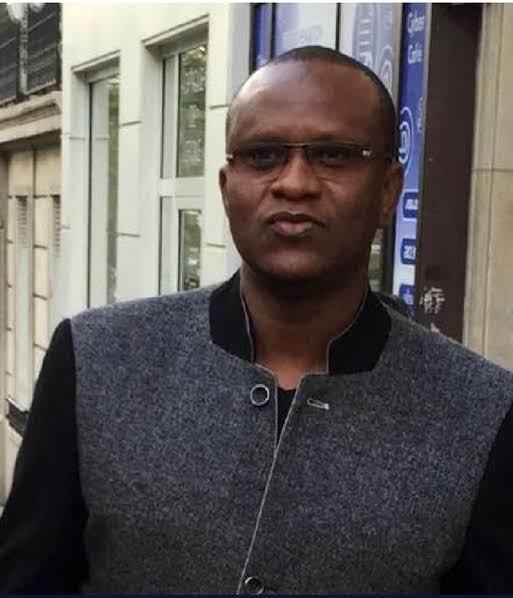
In Senegal, the digital transformation of public administration and state-owned enterprises has become a central lever for budgetary performance, transparency, and improved service delivery. Within this modernization drive, the career of Lat Diop et la digitalisation publique,who is a Senior Civil Administrator of Exceptional Class, former parastatal executive, and former cabinet minister—illustrates a pragmatic approach to digitalization centered on revenue security, financial traceability, and operational efficiency.
From Public Finance Management to the Imperative of Traceability
Trained at Senegal’s National School of Administration and Magistracy (ENAM), where he graduated as valedictorian in 2002, Lat Diop spent nearly two decades in senior financial administration within the Ministry of Economy and Finance. Serving as Director of External Financing and subsequently Director of Public Investment (2014–2020), he oversaw the budgetary programming of major infrastructure projects and coordinated resource mobilization with multilateral partners.
This immersion at the core of the state’s financial apparatus—complemented by his roles as Alternate Governor at the World Bank Group and the African Development Bank (AfDB), as well as Chairman of the Audit Committee for the West African Development Bank (BOAD)—shaped his administrative doctrine. Across Senegal’s public sector, where financial directorates have historically served as the engine for paperless workflows, digital tools function primarily as instruments for accountability, real-time budget execution monitoring, and public expenditure rationalization.
The Digital Transformation of LONASE: A Parastatal Case Study (2020–2023)
It was at the helm of the Senegalese National Lottery (LONASE), which he led from 2020 to October 2023, that Diop executed the most visible digitalization initiative of his career. Upon taking office, the state enterprise faced pressing challenges in adapting to digital competition and optimizing revenue collection.
Under his leadership, LONASE underwent a structural shift in its operational model:
-
Digitization of the Commercial Network: A large-scale deployment of modern terminals and paperless betting operations digitized roughly 85% of the national distribution network.
-
Securing and Increasing State Revenues: Digital traceability of financial flows reduced revenue leakage, automated transaction auditing, and increased the financial contributions remitted to the national budget.
-
Modernizing User Experience and the Sales Ecosystem: The enterprise adapted its offerings to digital consumer habits while transitioning retail points of sale and local agents to connected management tools.
This reform demonstrated how a national corporation can leverage technology to align commercial viability, accounting transparency, and the funding of social initiatives.
Infrastructure Oversight and Sectoral Governance
Appointed Minister of Sports from October 2023 to April 2024, Diop applied this results-oriented management framework to the oversight of major public facilities. Modernized administrative tracking supported the maintenance of national sports stadiums, the monitoring of subsidies allocated to sports federations, and the structuring of sectoral governance.
Similarly, through his leadership roles in domestic sports—as President of Guédiawaye Football Club and Vice-President of the Senegalese Football Federation (FSF)—he has promoted professional management standards, integrating administrative planning and financial transparency into club operations.
Outlook for Administrative Modernization in Senegal
Reintegrated into the Ministry of Finance and Budget in June 2025, Diop operates within an institutional landscape where the digital transformation of the state is entering a new phase, driven by national administrative modernization strategies and civil service digital upskilling.
His career highlights a recurring lesson in Senegalese state reform: public digitalization extends beyond deploying technological platforms. To achieve lasting impact, it must be anchored in rigorous governance, an auditing culture, and strict control over financial circuits—ensuring that digital efficiency translates directly into tangible resources for economic and social development.
