


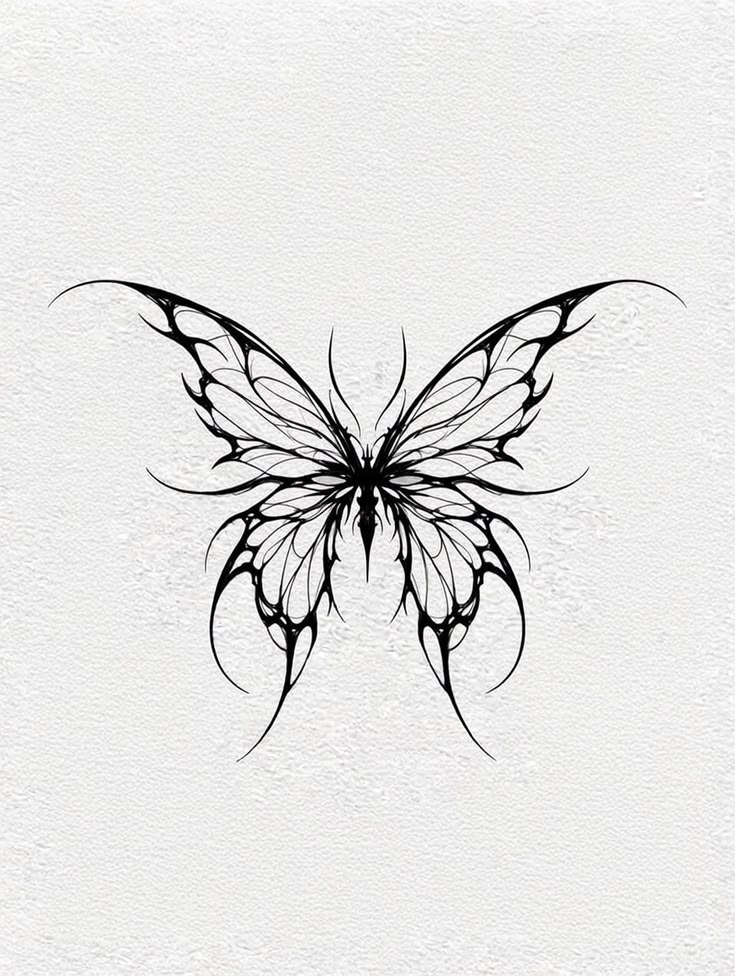
3D tattooing relies on optical illusion, hyper-realistic shading, and anatomical awareness to trick the human eye into perceiving depth, volume, and texture on a flat plane of skin. Unlike traditional styles that rely on bold, uniform outlines to define shapes, 3d nipple tattoo las cruces eliminates hard borders in favor of tonal transitions, cast shadows, and light manipulation.
Core Techniques Behind the Illusion
Creating the sensation that an object is floating above the skin, embedded within it, or carving into the body requires mastering several foundational artistic principles:
-
Chiaroscuro and Tonal Values: Artists use extreme contrasts between deep blacks and bright highlights—a Renaissance technique known as —to establish form. Without a dark base to push the background away, bright highlights cannot pop forward.
-
Directional Light Sources: Every 3D piece requires a strict, consistent imaginary light source. If a tattoo depicts a mechanical component under the skin or a butterfly resting on a shoulder, the highlights on the object and the shadows beneath it must align with the exact same light angle.
-
Cast Shadows and Drop Shadows: A cast shadow detached slightly from the main subject makes an image appear to hover above the epidermis. Conversely, tight, soft-edged inner shadows create the illusion of depth, making the skin look torn, carved, or recessed.
-
Forced Perspective and Foreshortening: By exaggerating the size of elements closer to the viewer and compressing elements further away, artists mimic the way a camera lens or human eye perceives three-dimensional space.
-
Micro-Texturing: Realistic skin pores, water droplets, metallic reflections, and fabric weaves anchor the illusion in reality. Crisp white ink accents applied at the end of a session simulate wet surfaces or sharp light reflections.
Anatomical Integration
A 3D tattoo fails if it ignores the natural contours of the human body. Skin stretches, twists, and wraps around muscle and bone, meaning a design drawn flat on paper will distort once transferred to a limb.
Artists map the musculature and joint movement before placing a stencil. Designs are often positioned so that natural body curves enhance the perspective—such as placing a recessed biomechanical design over the rounded curve of a deltoid or aligning an optical illusion with the flexion of a forearm.
Popular 3D Sub-Styles
-
Biomechanical and Cybernetic: Designs that peel back the skin to reveal gears, pistons, wiring, or alien anatomy beneath the surface.
-
Optical Illusions (Trompe-l’œil): Geometric patterns, impossible shapes, and grid distortions that make the body appear hollowed out, twisted, or transparent.
-
Hyper-Realistic Nature and Objects: Insects, water droplets, stitched wounds, or jewelry rendered with lifelike shadows so they appear physically present on the skin.
Longevity and Skin Considerations
Because 3D tattoos depend on subtle gradients and white ink highlights rather than thick black outlines, they require careful maintenance. Over time, natural skin regeneration and UV exposure diffuse ink particles, which can soften sharp shadows and fade white highlights into a yellowish tone. Artists compensate by packing deeper blacks into the shadow zones during the initial session so the contrast holds up as the tattoo ages.
