


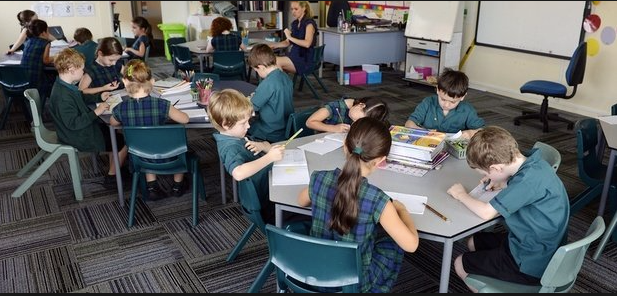
For many families, the decision to enrol a child in a boarding school is a significant milestone. Whether you live in a remote regional area or are seeking an environment that fosters independence, academic rigour, and a strong sense of community, boarding schools offer a unique educational pathway.
In Australia, these institutions have evolved into modern hubs of opportunity, providing students with structured support and access to a broad range of extracurricular activities.
Understanding the Boarding Experience
In the Australian context, boarding schools are far more than just a place to sleep and study. They are designed to act as a “home away from home,” where residential staff work alongside teachers to provide holistic care.
Research consistently shows that, when supported by a nurturing environment, boarding students often experience significant growth in life satisfaction and personal responsibility (Mander & Lester, 2017).
For parents investigating their options, it is helpful to understand that there is no “one-size-fits-all” model. From long-established institutions to modern residential colleges, the variety of brisbane boarding schools and those across the country reflects the diversity of the Australian education sector
The Benefits of Choosing Boarding
While the transition to life away from home requires adjustment, the long-term benefits are frequently cited by families and alumni.
By immersing students in an environment where education is the central focus, schools can foster a sense of belonging and academic engagement that is comparable—and sometimes superior—to day schooling (Martin et al., 2021).
Key benefits often highlighted include:
- Structured Environment: Consistent routines for study, meals, and sleep help students develop time-management skills.
- Extracurricular Access: Living on-campus removes travel time, giving students more time to participate in sports, music, and leadership programs.
- Diverse Friendships: Students form bonds with peers from varied backgrounds and geographic locations, broadening their perspective of the world.
- Pastoral Care: Dedicated boarding staff provide 24/7 supervision and emotional support, ensuring that students have guidance when they face challenges.
Navigating the Transition
It is normal for both parents and students to feel a mixture of excitement and apprehension during the transition.
For a deeper look at the student experience, you may find this video on boarding school life helpful, as it provides visual insights into the daily routines and residential atmosphere of a modern campus.
The initial period of adjustment, often referred to as “settling in,” is a natural process. While homesickness is common in the first few weeks, most students quickly adapt as they build new friendships and engage with the school community (Mander & Lester, 2017).
How to Select the Right School
Choosing a school is a complex process. When evaluating potential institutions, consider the following factors:
- Values and Culture: Does the school’s philosophy align with your family’s values? Many schools place a strong emphasis on character development and community service.
- Geographic Considerations: While proximity to home might be a factor, consider whether you want a school that offers weekend leave or one that maintains a busy on-campus schedule.
- Support Services: Ask about the level of academic tutoring available in the evenings and the specific pastoral care programs in place for new boarders.
- Scholarship and Financial Assistance: Many Australian schools offer support schemes, such as those for rural and remote students, to help manage costs (Macdonald et al., 2018).
Preparing Your Child for Success
Preparation is the foundation of a successful boarding experience. Start by involving your child in the decision-making process.
Discuss their expectations and concerns openly.
Encourage them to be independent at home—such as managing their own laundry or basic tidying—as these small tasks build the confidence necessary for residential living.
Finally, remember that the relationship between the school and the family is a partnership. Keep open lines of communication with the house parents and teachers.
By staying involved and showing support for your child’s journey, you help ensure that their boarding years are a time of personal growth, academic achievement, and lasting memories.
